
Clinical Resources & Articles

Orthopedic Rehabilitation Insights

Latest industry updates, medical bracing guides, and treatment innovation from MOX Medical Technology Co., Ltd.

0%

In the realm of orthopedics, the effectiveness of spinal bracing for back pain has garnered significant attention. Dr. Jane Smith, a leading expert in spinal health, states, “The right brace can be a game changer for individuals dealing with chronic back pain.” This insight underscores the importance of finding suitable spinal bracing solutions tailored to individual needs.

Many patients struggle with back pain that affects their daily lives. Spinal bracing for back pain can offer crucial support. However, the selection process can be overwhelming due to the variety of options available. Some braces are designed for stability, while others focus on mobility. Understanding these differences is essential for making informed choices.

Despite advancements in technology, some patients may still experience discomfort or find their braces ineffective. It's vital to engage with healthcare providers to assess the right approach. The evolving nature of spinal bracing solutions highlights the need for research and feedback from users. Each experience is unique, and continual evaluation can lead to improved outcomes for back pain relief.
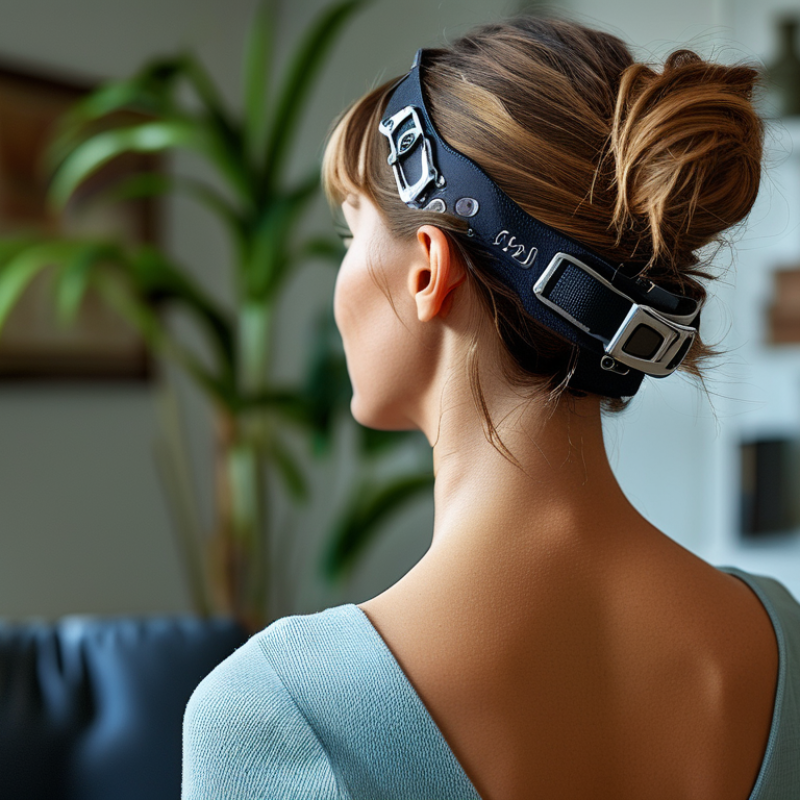
2026 Top Spinal Bracing Solutions for Back Pain Relief?

Overview of Spinal Bracing and Its Role in Pain Relief

Spinal bracing has become an essential component in managing back pain effectively. These braces offer support and stability to the spine, which can alleviate discomfort linked to various conditions. According to the American Academy of Orthopaedic Surgeons, approximately 80% of adults experience back pain at some point. This widespread issue highlights the importance of effective interventions.

The role of spinal braces in pain relief is primarily to immobilize and support the injured area. They assist in reducing strain on muscles and ligaments. A study published in the "Spine Journal" indicates that patients using braces reported a 30% improvement in pain levels compared to those who didn’t. Such improvements can significantly enhance mobility and daily function.

Tips to consider: When using a spinal brace, ensure it fits snugly yet comfortably. Use it as prescribed and avoid over-reliance, as this may weaken your core muscles. Assess your progress regularly, and don't hesitate to consult a healthcare professional if pain persists. Remember, the goal is to support healing, not to create dependency. Balancing brace use with physical therapy and exercise is crucial for long-term relief and a healthier back.

Types of Spinal Braces: Differences and Applications

When it comes to alleviating back pain, understanding the types of spinal braces is crucial. One common type is the lumbar brace. It targets the lower back, providing support to the spine during daily activities. These braces can be beneficial for those with low back pain due to injury or poor posture. Proper usage can result in improved alignment and reduced strain. However, over-reliance on lumbar braces may weaken core muscles. Patients should use them wisely.

Another category is the thoracic brace. This type stabilizes the upper back and supports postural correction. It is often recommended for conditions like scoliosis or post-surgical recovery. Users may find relief from discomfort as the brace restricts movement, encouraging healing. Yet, wearing it for extended periods can lead to stiffness. Individuals should balance use and physical therapy to maintain strength and flexibility.

Finally, the cervico-thoracic brace covers both the neck and upper back. It is typically prescribed for whiplash or severe neck pain. While it limits motion and offers pain relief, users must reflect on their comfort levels. Adapting to such braces can be challenging at first. Regular check-ins with a healthcare professional are essential for safe and effective use.

2026 Top Spinal Bracing Solutions for Back Pain Relief

This chart illustrates the effectiveness of various spinal braces in providing relief from back pain, based on patient feedback and clinical studies. Lumbar braces show the highest effectiveness, while dynamic braces have the lowest among the options presented.

Effectiveness of Spinal Braces for Managing Back Pain

Spinal braces have gained attention for their potential to alleviate back pain. Many users report a significant reduction in discomfort when wearing these devices. They aim to provide support and stability during daily activities. The correct fit is essential to maximize their effectiveness. A poorly fitted brace may cause more harm than good.

Research highlights that spinal braces can limit movement, allowing healing in injured areas. Patients often find a balance between support and mobility. However, reliance on these devices can pose challenges. Some individuals may experience muscle weakness if worn for extended periods. Consulting healthcare professionals is crucial before incorporating spinal braces.

Effectiveness varies from person to person. Some experience relief in just weeks, while others take longer. Understanding your unique condition is vital. Keeping a journal of your pain levels can help track progress. This approach promotes self-awareness and tailored treatment strategies. Engaging with a support group might also provide insights from others' experiences.

2026 Top Spinal Bracing Solutions for Back Pain Relief

Spinal Brace Type Effectiveness Rating Material Comfort Level Recommended Use
Lumbar Support Brace 4.5/5 Neoprene High Chronic Back Pain
Posture Corrector 4.0/5 Cotton Blend Medium Improving Posture
Corset Brace 4.3/5 Elastic High Post-Surgery Recovery
Soft Support Brace 4.2/5 Fabric High Light Pain Relief
Herniated Disc Brace 4.7/5 Rigid Plastic Medium Disc Issues

Key Features to Look for in a Spinal Brace

When selecting a spinal brace, key features can significantly impact your comfort and recovery. Look for adjustable straps that allow for a personalized fit. This ensures the brace provides firm support without being overly tight. A breathable material is essential for extended wear. It helps prevent overheating and irritation, especially if the brace is worn during daily activities.

Consider the level of rigidity as well. Some braces provide stiff support, which can be beneficial for severe pain. Others offer more flexibility, allowing for gentle movement. This can be confusing to choose, and finding the right balance may take multiple trials. Often, user feedback reveals that perceptions of comfort and effectiveness vary widely among individuals.

Additionally, don't overlook the importance of the brace's design. A contoured shape can enhance spine alignment, promoting better posture. However, not all designs fit everyone’s body type perfectly. Some users may find that a particular style or size doesn’t meet their needs. Reflecting on these aspects during your search can lead to better choices, ultimately improving your back pain relief journey.

Future Trends in Spinal Bracing Solutions for Back Pain

The future of spinal bracing solutions for back pain relief is set to evolve significantly. Advancements in materials and technology will play a huge role. We are seeing lightweight materials that provide firm support without adding bulk. Smart fabrics are emerging, capable of monitoring posture and muscle tension. This can empower users to adjust their habits for better outcomes.

Customization will become a key trend. Braces can be tailored to individual body shapes and pain points. 3D printing technology allows for unique designs that fit better and enhance comfort. However, challenges remain in ensuring these designs work for everyone. Not all users may find the same level of relief. Feedback loops from patients will be essential in refining these products.

There may be an increased focus on integrating digital health solutions. Apps could pair with braces to track progress and suggest exercises. While this offers promise, it requires users to remain engaged. Not everyone is motivated to stick with their routines. Spinal bracing solutions must balance innovation with practicality. Success will depend on real-world effectiveness and user experience feedback.

FAQS

: How do spinal braces help alleviate back pain?

: Spinal braces provide support and stability, helping to reduce discomfort during daily activities.

Why is the fit of a spinal brace important?

A poorly fitted brace can cause more harm than good, limiting effectiveness.

Can spinal braces limit movement?

Yes, they can limit movement, which may assist in healing injured areas of the spine.

What are the potential downsides of wearing a spinal brace?

Extended wear may lead to muscle weakness and reduced mobility.

How long does it take to feel relief from wearing a spinal brace?

Effectiveness varies; some feel relief in weeks, while others may take longer.

What features should I look for in a spinal brace?

Adjustable straps, breathable material, and proper rigidity level are essential for comfort.

Can the design of a spinal brace affect its effectiveness?

Yes, a contoured shape can improve spine alignment, but not all designs fit everyone.

How can I track my progress while using a spinal brace?

Keeping a journal of your pain levels helps promote self-awareness and tailored strategies.

Should I consult a professional before using a spinal brace?

Yes, consulting healthcare professionals is crucial before starting to use a spinal brace.

Is user feedback helpful when selecting a spinal brace?

Definitely, user feedback reveals wide variations in comfort and effectiveness perceptions.

Conclusion

Spinal bracing for back pain has emerged as a significant therapeutic approach, providing support and stability to the spine while facilitating pain relief. This article explores the various types of spinal braces, highlighting their differences and specific applications tailored to individual needs. By examining the effectiveness of these braces in managing back pain, it emphasizes their potential benefits in rehabilitation and daily activities.

Key features to consider when selecting a spinal brace include comfort, adjustability, and adequate support, which can significantly impact their effectiveness. As technology advances, future trends in spinal bracing solutions point towards more innovative designs, personalized fit, and enhanced materials that promise to improve patient outcomes. In summary, spinal bracing for back pain offers a viable option for those seeking relief, emphasizing the importance of informed choices in selecting appropriate devices.

Lila

Lila

Lila is a dedicated marketing professional with a deep understanding of our company's core offerings and strengths. With a keen eye for detail and a passion for storytelling, she expertly crafts engaging and informative blog posts that highlight the unique features of our products. Lila's expertise......